Mata Hari: the woman behind the spy legend
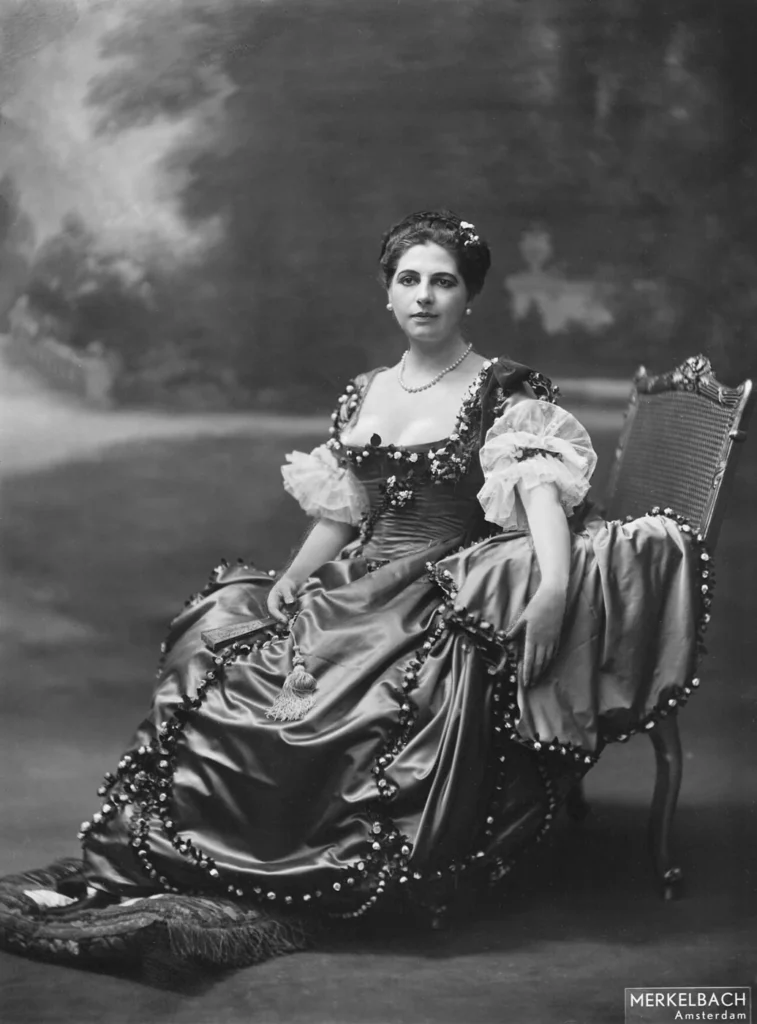
Before there was Mata Hari
Before her name became shorthand for a seductive spy, Mata Hari was Margaretha Geertruida Zelle, born in Leeuwarden in the Netherlands on 7 August 1876. Her early life began in relative comfort, but the family’s fortunes collapsed and her mother died while she was still young. The glamorous identity remembered today came later, after upheaval rather than a childhood spent preparing for intrigue.
In 1895 she married Rudolph MacLeod, a Dutch colonial army officer, and subsequently lived with him in the Dutch East Indies. They had two children; their son died in childhood. The marriage deteriorated, and the couple returned to the Netherlands before separating. The details of that private suffering deserve more care than the familiar image of an adventurous woman effortlessly moving from one wealthy admirer to another.
A new identity in Paris
By 1905 she had established herself as a performer under the name Mata Hari, commonly translated from Malay as “eye of the day,” or the sun. Her stage identity presented an imagined Eastern background to European audiences. She was not the mysterious foreign-born temple dancer suggested by her publicity; she was a Dutch woman constructing a theatrical persona.
That distinction matters. An entertainer’s invented biography is part of a performance, not evidence of an intelligence operation. The same capacity for reinvention that attracted an audience could later be interpreted as proof that she was fundamentally deceptive.
Her career took her through European cities and brought her into contact with prosperous patrons and officers. She cultivated elegance and expensive tastes. In peacetime, this mobility helped sustain her public identity. Once Europe went to war in 1914, international travel and acquaintances across national boundaries acquired a much more dangerous meaning.
Between intelligence services
Mata Hari became involved with German intelligence and also entered into dealings with French intelligence. Her association with Germany included the agent designation H21. The extent and practical value of the intelligence she supplied remain much less clear than the legend of a master spy suggests.
These distinctions are often lost in retellings. Accepting money, agreeing to obtain information, having access to officers, and delivering important military secrets are related possibilities, but they are not interchangeable facts. A convincing account has to ask what information actually changed hands and what can be demonstrated about its significance.
The surviving French records describe surveillance, intercepted correspondence, travel documents, and the investigation that gathered around her. They establish the seriousness of official suspicion. They do not, simply by existing, settle every claim later made about her effectiveness or the damage she caused.
Arrest, trial, and execution
On 13 February 1917 she was arrested in Paris. She was tried by a French military court that July, convicted of espionage for Germany, and sentenced to death. On 15 October 1917 she was executed by firing squad at Vincennes. She was 41.
The conviction is a documented event. Whether the evidence justified the sweeping portrait of a dangerous and successful agent is a different historical question. France was fighting a costly war, and suspicion of betrayal existed within that wider crisis. The surrounding atmosphere matters, but it should not be used to replace evidence with an equally confident claim that every allegation was invented.
How a woman became a symbol
After her death, novels, films, and popular accounts repeatedly remade Mata Hari. The story offered a powerful combination: celebrity, secrecy, sexuality, and a fatal confrontation with the state. Its dramatic shape could overwhelm the less tidy questions left by the documents.
That is why the most familiar version can be misleading in two directions. One turns her into an almost supernatural intelligence mastermind. Another treats her as an entirely passive figure with no involvement in espionage. Neither shortcut adequately captures the distinction between documented contacts, uncertain results, and the extraordinary punishment imposed on her.
Her story is compelling without invented conversations or a cinematic account of her final moments. A woman who had made a career from controlling how she was seen eventually lost control of the meaning attached to her name. The identity she created survived, while the person behind it became harder to recognize.
Remembering Margaretha Zelle alongside Mata Hari does not solve every argument about the case. It restores a necessary starting point: a human life came before the legend, and a verdict should not end the work of understanding it.